The Business Impact Analysis (BIA) is the critical first step in the conceptual transition from recovery to continuity.
1
Mar, 2025


The Business Impact Analysis (BIA) is the critical first step in the conceptual transition from recovery to continuity.

The Risk Analysis involves a determination of the events that can adversely affect an organization, damage such events can cause, and the controls needed to minimize potential loss.
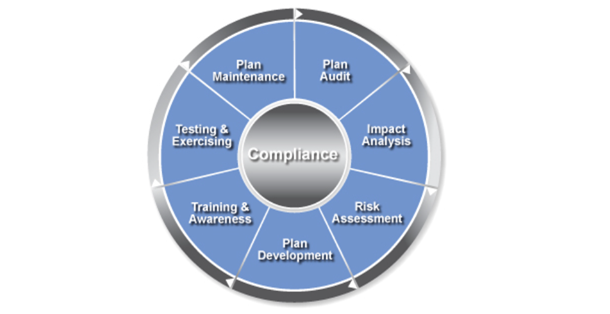
BCM is a lifecycle. Not every organization is the same, and not every organization is starting at the same place.

The purpose of the BCM Strategy is to address decisions that are not viable to be determined at the individual organizational unit level.

The BCM policy and approaches are driven by standardization bodies along with local, regional, industry-imposed requirements.

BCM Goals and Metrics should be developed and aligned back to Strategic Goals, then documented as part of the BCM Policy.

Cybersecurity is a critical part of BCM because it helps protect an organization’s information and systems from security threats.

The purpose of Business Continuity Management (BCM) is to attain comprehensive operational continuity (ability to continue critical operations during a disruption) and resilience (planning, preparedness and protection over the long-term.) Does your organization have a BCM program in place
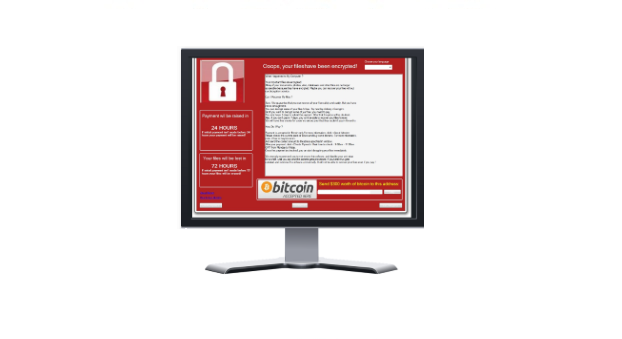
The recent executive order requires that all Federal Information Systems should meet or exceed the standards and requirements for cybersecurity. Do your critical web-hosted SaaS solutions meet these requirements?

FEMA has developed a Fact Sheet regarding General Reconstitution Planning Considerations which can be used to develop and coordinate a plan to resume operations. Some of the content includes how organizations should assess the status of personnel, assets and facilities, pandemic planning mitigation measures, as well as financial and insurance considerations.